
Equipment Upgrades That Reduce Operating Costs
Heating & Cooling System Replacement in Florence for properties with equipment that consumes excessive energy or fails to maintain stable temperatures
Energy-efficient equipment upgrades lower monthly utility expenses while providing more consistent temperature control than aging systems with worn components and outdated efficiency ratings. Furnace replacement and air conditioner replacement become necessary when repair costs approach half the price of new equipment, when refrigerant type is no longer available, or when efficiency has degraded to the point that the system cycles constantly without achieving the thermostat setting. DLM Enterprises handles HVAC system replacement in Florence for commercial properties where downtime must be minimized and system sizing must account for actual building loads rather than assumptions based on square footage alone.
The replacement process includes load calculations to verify correct equipment capacity, removal of old furnaces and air conditioning units, installation of new high-efficiency systems, and verification that airflow and refrigerant charge meet manufacturer specifications. System sizing errors—either oversized or undersized equipment—cause short cycling, humidity problems, and premature component failure regardless of equipment quality, which is why replacement involves measurement and calculation rather than matching the tonnage of the old system.
Schedule a property assessment to calculate heating and cooling loads and review equipment options that match your building's current and future requirements.
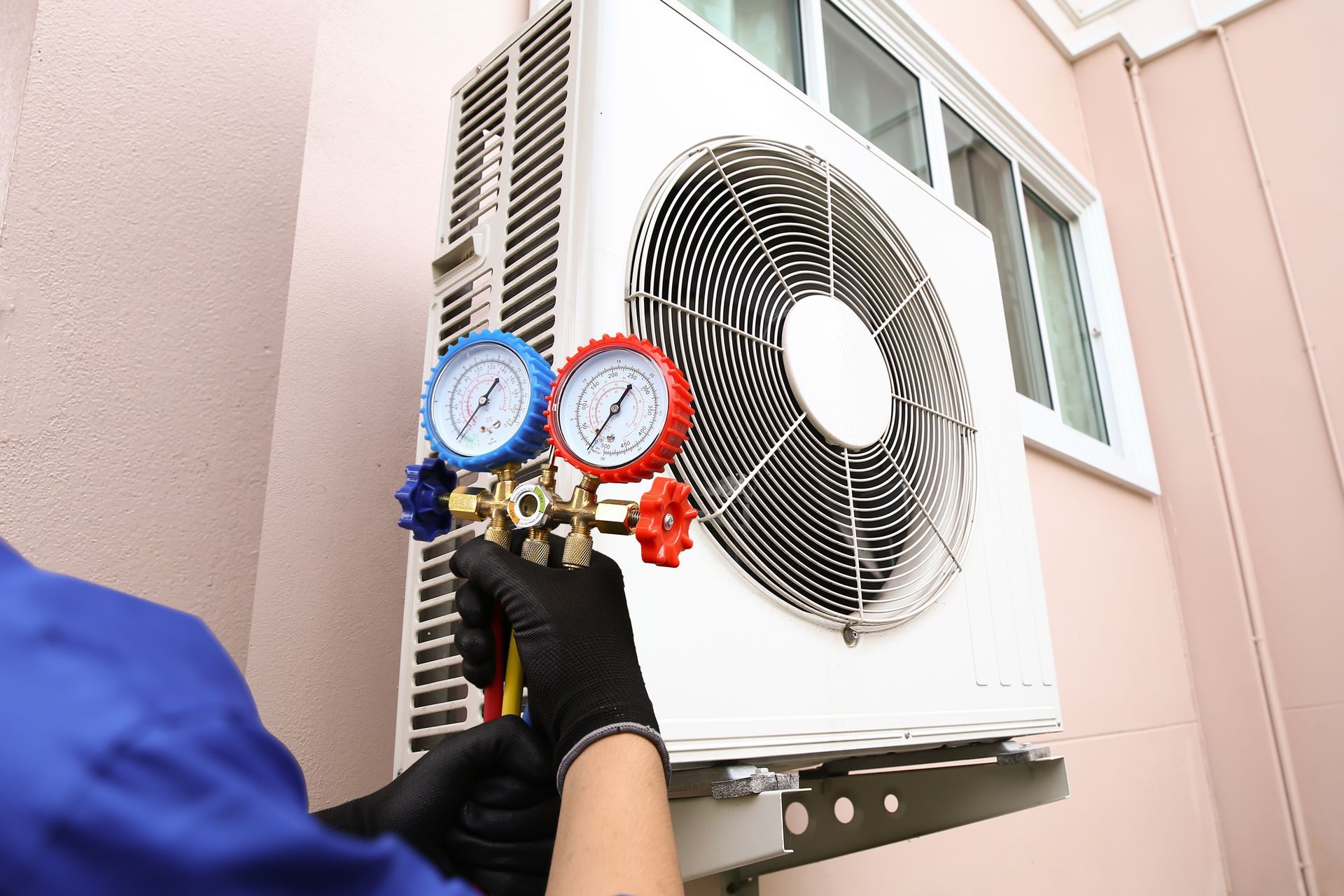
What You Notice Once Equipment Is Replaced
Proper system sizing requires measuring building envelope characteristics, calculating heat gain and loss through walls and windows, accounting for ventilation air requirements, and factoring internal loads from occupants and equipment. Oversized systems cycle on and off too frequently to dehumidify effectively, while undersized systems run constantly without reaching desired temperatures during peak heating or cooling days.
After replacement with correctly sized equipment, temperatures hold steady without constant thermostat adjustments, humidity levels remain consistent rather than swinging between too damp and too dry, and monthly utility costs drop because the system operates at design efficiency rather than struggling against inadequate capacity or wasting energy through excessive cycling. New equipment runs more quietly during startup and operation, and breakdowns decrease because components are not being stressed by incorrect sizing or worn ductwork that restricts airflow.
Replacement includes equipment removal, new system installation, electrical connection, refrigerant charging, and airflow verification. It does not include ductwork modification unless existing ducts are undersized or leaking badly enough to prevent proper system operation. Equipment longevity depends on filter maintenance, annual tune-ups, and addressing minor issues before they cascade into compressor or heat exchanger failures.
What Property Owners Usually Ask
Facility managers often need clarity on replacement timing and how new equipment will perform compared to what they are currently operating.
What determines when replacement makes more sense than another repair?
Replacement is the better option when the next repair would cost more than half the price of new equipment, when the system uses refrigerant being phased out, or when efficiency losses mean the energy savings from new equipment pay for installation within five years.
How is the correct system size determined for replacement?
Load calculations account for wall and roof insulation values, window area and orientation, occupancy and equipment heat loads, ventilation requirements, and local climate data to determine actual heating and cooling demand rather than estimating based on building square footage.
What efficiency improvements can be expected from new equipment?
Current high-efficiency systems operate at SEER ratings of 16 or higher and AFUE ratings above 95 percent, compared to older equipment often running at SEER 10 and AFUE 80, which translates to 30 to 40 percent reductions in energy consumption for the same heating and cooling output.
When should ductwork be replaced at the same time as the system?
Duct replacement is necessary if existing ducts are undersized for new equipment airflow requirements, if seam leakage exceeds 20 percent of total airflow, or if ductwork has deteriorated to the point that sealing is no longer effective.
Why does system replacement in Florence often reveal duct sizing problems?
High humidity and temperature extremes stress ductwork seams and connections, causing leaks that may have been compensated for by oversized old equipment but become obvious once correctly sized new systems are installed and cannot overcome the airflow losses.
DLM Enterprises replaces heating and cooling systems for commercial and industrial properties requiring reliable climate control and improved energy efficiency. Call (859) 743-9876 to arrange a load calculation assessment and discuss equipment options that address your current system's performance gaps.