
Inspections That Prevent Failures Before Seasons Change
HVAC Maintenance in Florence for keeping heating and cooling equipment reliable through year-round temperature demands
Seasonal temperature swings in Florence push HVAC systems hard during summer cooling and winter heating, making regular maintenance essential for preventing mid-season breakdowns when you depend on equipment most. DLM Enterprises provides preventative HVAC maintenance that identifies worn components, clears restrictions, and verifies system performance before minor issues escalate into complete failures. You notice maintenance value when your furnace fires reliably on the first cold night or your air conditioner delivers consistent cooling without struggling during prolonged heat.
Seasonal tune-ups involve inspecting electrical connections for corrosion, testing capacitors for weakening, cleaning condenser and evaporator coils, and checking refrigerant pressures. Filter replacement removes accumulated dust that restricts airflow and forces blower motors to work harder. System inspections catch early signs of wear like bearings losing lubrication, belts developing cracks, or heat exchangers showing stress fractures.
Schedule pre-season maintenance in spring and fall to prepare your system for the upcoming heating or cooling demands.
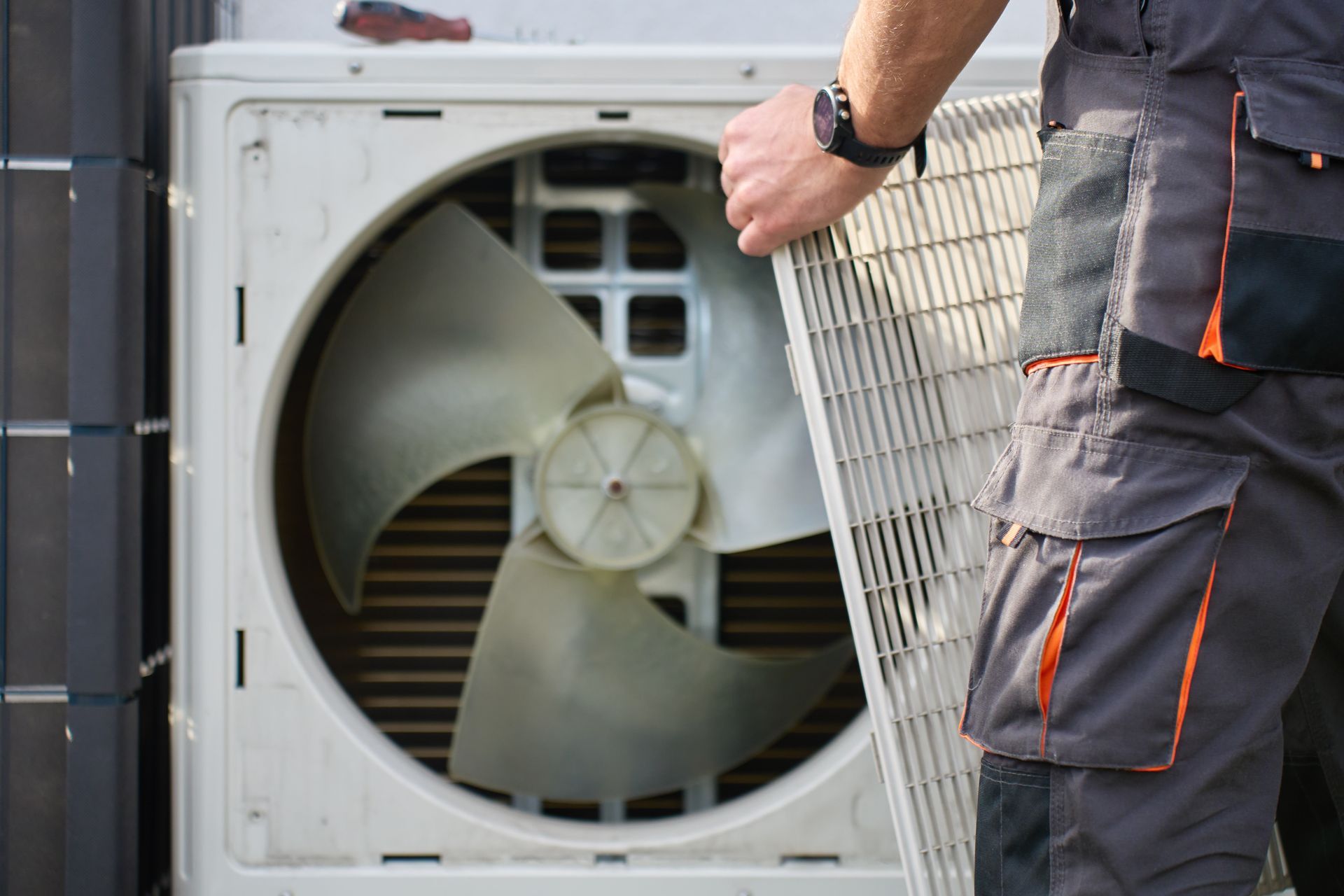
What Changes After Routine Maintenance
Maintenance visits focus on cleaning components that accumulate dust and debris, tightening connections that loosen from vibration, and measuring performance values against baseline standards. Efficiency and performance checks reveal whether your system uses more energy than necessary or struggles to maintain temperatures, signaling component degradation before complete failure occurs.
After maintenance, your system reaches set temperatures more efficiently because clean coils transfer heat properly and unrestricted airflow allows the equipment to operate as designed. Monthly energy consumption often decreases as the system no longer compensates for dirty filters or low refrigerant. The equipment runs quieter and starts more reliably, with fewer unexpected shutdowns caused by dirty flame sensors or failing capacitors that maintenance visits address proactively.
Maintenance also extends equipment lifespan by reducing wear on motors and compressors that otherwise run harder to overcome restrictions or component failures. Regular service preserves manufacturer warranty coverage that often requires documented maintenance, and it provides records of system condition useful for diagnosing future problems.
Answers to Frequent Service Questions
Homeowners considering maintenance programs typically want to understand what the service includes and how frequently it should occur.
What does a preventative maintenance visit involve?
Technicians inspect and clean both indoor and outdoor components, test electrical values at connections and capacitors, measure airflow and temperature differentials, lubricate moving parts, check refrigerant levels, and replace filters while documenting system condition.
How often should HVAC systems receive maintenance?
Most manufacturers recommend service twice annually—spring preparation for cooling season and fall preparation for heating season—to address the different components each mode uses and catch wear patterns specific to each function.
Why does filter replacement matter for system performance?
Clogged filters restrict airflow, forcing blower motors to work harder and reducing the volume of air moving across heat exchangers and coils, which decreases heating and cooling capacity while increasing energy consumption and component wear.
When is the best time to schedule seasonal tune-ups in Florence?
Spring maintenance before peak summer cooling demand and fall service before winter heating loads allow technicians to address problems during milder weather when system downtime doesn't create immediate discomfort or safety concerns.
What specific measurements indicate system efficiency problems?
Temperature differential between return and supply air, refrigerant subcooling and superheat values, amperage draw at compressor and blower motors, and static pressure across filters all reveal whether your system operates within manufacturer specifications or shows declining efficiency.
DLM Enterprises maintains service records that track your equipment's performance trends over time, helping identify gradual degradation before it causes breakdowns. Call to establish a maintenance schedule that keeps your heating and cooling systems operating reliably through seasonal extremes.