
Zoned Temperature Control Without Ductwork
Mini Split Systems in Florence for buildings where ductwork installation is impractical or where different areas require independent temperature control
In older buildings without existing ductwork or in spaces where adding ducts would require extensive structural changes, mini split systems provide heating and cooling without the need for air distribution infrastructure. DLM Enterprises installs and maintains ductless heating and cooling systems in Florence for additions, converted spaces, server rooms, and buildings where occupancy patterns vary significantly between zones. Multi-zone systems allow each area to operate independently, so unoccupied spaces are not heated or cooled to the same level as active work areas, which reduces energy waste compared to single-thermostat forced-air systems.
Installation involves mounting indoor air handlers on walls or ceilings, running refrigerant lines and electrical connections through small penetrations to outdoor condensing units, and programming individual zone controls. Each indoor unit handles the heating and cooling load for its specific area without relying on centralized airflow, which means temperature problems in one zone do not affect other areas and system failures are isolated rather than building-wide.
Request an evaluation to determine how many zones your building requires and where indoor units should be located for effective air distribution.
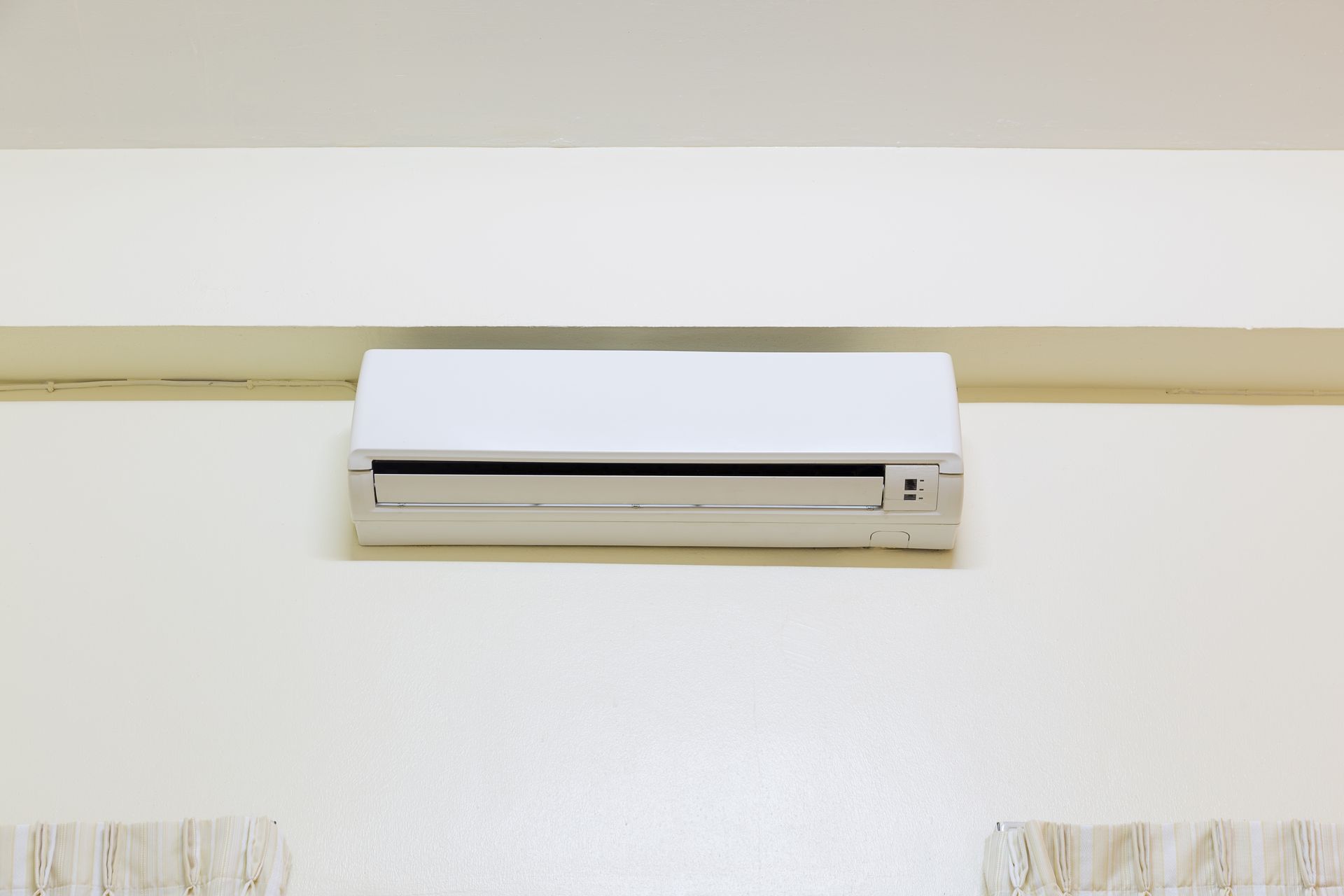
Why Ductless Systems Work for Specific Situations
Mini splits eliminate the efficiency losses associated with ductwork, where conditioned air often leaks through seam gaps or loses temperature traveling through unconditioned attic or crawl space areas. Refrigerant lines are insulated and sealed, so energy used by the compressor translates directly into heating or cooling at the indoor unit without the 20 to 30 percent loss typical in duct systems with even minor leakage.
After installation, each zone maintains its set temperature independently without affecting other areas, which means you notice that conference rooms can be kept cooler during meetings while back offices run warmer when unoccupied, and utility costs drop because the system is not conditioning spaces that do not require it. Indoor units operate quietly compared to forced-air registers, and the absence of ductwork means dust and allergen circulation is reduced because air is filtered at the point of use rather than being recirculated through sheet metal passages.
This service includes system sizing, indoor and outdoor unit installation, refrigerant line connection, and control programming. It does not include electrical panel upgrades if existing service lacks capacity for additional circuits, or structural reinforcement for outdoor unit placement on roofs or elevated platforms. System longevity depends on keeping indoor unit filters clean and scheduling annual maintenance to verify refrigerant charge and inspect electrical connections.
Questions Before Starting Your Project
Property owners considering mini splits typically want to understand capacity limits and when these systems make the most sense.
What is the maximum area a single mini split indoor unit can condition effectively?
Indoor unit capacity typically ranges from 9,000 to 24,000 BTUs, which corresponds to coverage areas between 300 and 1,200 square feet depending on insulation quality, ceiling height, window area, and internal heat loads from equipment or occupancy.
How does a multi-zone system differ from installing separate single-zone units?
Multi-zone systems use one outdoor condensing unit to serve multiple indoor air handlers, which reduces exterior equipment clutter and installation cost compared to individual outdoor units for each zone, though total capacity must be distributed across all connected indoor units.
When do mini splits make more sense than extending existing ductwork?
Mini splits are more practical when ductwork would require running through finished spaces, when attic or crawl space access is limited, or when heating and cooling demand is isolated to specific areas rather than distributed throughout the building.
What maintenance do ductless systems require?
Indoor unit filters require monthly cleaning or replacement, outdoor coils need annual cleaning to maintain airflow, and refrigerant charge should be verified annually to confirm no leaks have developed in the line set connections.
Why are mini splits common in Florence for commercial additions and renovations?
Adding ductwork to existing buildings often means cutting through walls, lowering ceilings, or rerouting utilities, while mini splits require only small refrigerant line penetrations and can be installed with minimal disruption to occupied spaces.
DLM Enterprises handles mini split installation, replacement, and maintenance for commercial properties and multi-use buildings in Florence. Call (859) 743-9876 to discuss zone requirements and review installation options based on your building layout and heating and cooling priorities.